Save 20% on all books today!
The Ultimate Guide to Explaining Psalms to Children Ages 5–11
Struggling to explain Psalms to your child? This guide shows you how to break down big emotions, short attention spans, and spiritual questions with simple language, stories, and engaging activities for ages 5–11.
1/18/20265 min read
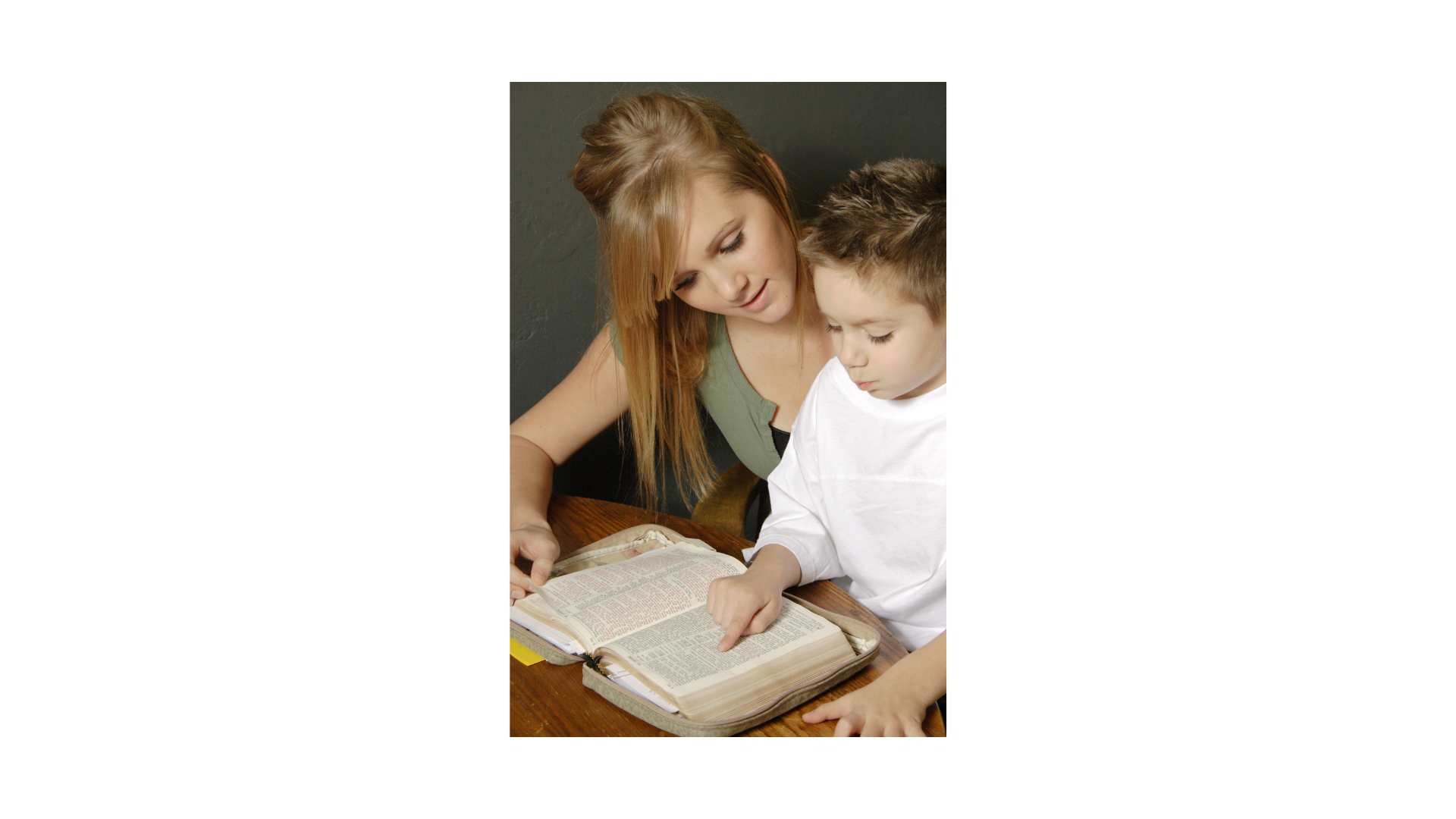
Teaching the Psalms to children might seem daunting at first. These ancient songs contain big emotions, complex metaphors, and sometimes difficult concepts. But here's the beautiful truth: the Psalms were written to be sung, felt, and experienced by people of all ages. Children, with their honest emotions and natural sense of wonder, are actually perfectly positioned to understand these timeless prayers.
Why the Psalms Matter for Young Hearts
Before diving into how to teach the Psalms, let's understand why they're so valuable for children. The Psalms give kids permission to bring their whole selves to God—the happy parts, the sad parts, the angry parts, and the scared parts. In a world where children are often told to suppress difficult emotions, the Psalms say, "It's okay to feel everything, and God wants to hear about all of it."
Unlike many Bible stories that teach through narrative, the Psalms teach through emotion and poetry. They're like a prayer journal written over centuries, and they show children that people have always needed to talk to God about their feelings.
Understanding Your Child's Developmental Stage
Ages 5-7: The Concrete Thinkers
Children in this age group understand the world literally. When Psalm 23 talks about walking through the "valley of the shadow of death," they might picture an actual dark valley. This isn't a limitation—it's an opportunity. Use this literal thinking to create vivid mental pictures. Act out being a sheep following a shepherd. Let them touch a real staff or walking stick when explaining "your rod and your staff, they comfort me."
Ages 8-9: The Question Askers
This middle group starts recognizing that words can have deeper meanings. They'll ask, "But why does David say God is a rock? Rocks can't help people." This is when you can introduce metaphors gently. "What does a rock do? It stays in one place. It's strong. It doesn't change. David is saying God is like that—strong and always there." They're ready for these connections but still need concrete anchors.
Ages 10-11: The Emotion Explorers
Pre-teens are experiencing more complex emotions themselves. They understand worry, disappointment, and the feeling of being left out. Suddenly, Psalms that express loneliness or fear resonate personally. They're ready to see themselves in the psalmists' experiences and to recognize that these prayers are thousands of years old yet feel remarkably current.
Five Practical Strategies That Actually Work
1. Start with the Feelings, Not the Words
Instead of reading Psalm 13 and explaining the vocabulary, ask your child: "Have you ever felt like nobody was listening to you? Like you kept asking for help and nothing changed?" Let them share. Then say, "A man named David felt exactly that way. He wrote a song about it. Want to hear what he said?"
This approach makes the Psalm relevant before it's even read. Children lean in because they're about to hear from someone who gets them.
2. Create a Psalms Emotion Chart
Make a simple chart with different emotions: happy, sad, scared, angry, thankful, worried. As you read different Psalms together over weeks or months, add them to the chart. Psalm 100 goes under "happy and thankful." Psalm 6 goes under "sad." Psalm 3 goes under "scared."
This visual tool helps children see the range of the Psalms and gives them a resource. When they're feeling a certain way, they can look at the chart and find a Psalm that matches their heart. You're teaching them to use Scripture as a living resource, not just a history book.
3. Turn Psalms into Personalized Prayers
Take a short Psalm or a few verses and rewrite it together in your child's own words. If you're working with Psalm 121, it might become: "When I'm scared at night, I look out my window at the sky. I remember that God made everything I can see and everything I can't see. He never sleeps, so he's always watching over me. He keeps me safe when I go to school and when I come home."
Writing this down in a special journal makes it concrete. Your child now has a prayer in their own voice, rooted in Scripture, that they can return to again and again.
4. Use Music and Movement
The Psalms were meant to be sung, so bring back that original purpose. You don't need to be musical—simple melodies work perfectly, or just use rhythm and clapping. For younger children, adding hand motions to key phrases creates muscle memory. When they clap on "clap your hands, all you nations" in Psalm 47, they're experiencing the Psalm with their whole body.
There are also many modern worship songs based on Psalms. Playing these lets children hear the ancient words in contemporary settings, building a bridge between then and now.
5. Connect Psalms to Their World
A child worried about a test can relate to Psalm 18's descriptions of being surrounded by trouble. A child who made the soccer team understands Psalm 30's joy after sadness. A child who feels alone at school knows exactly what Psalm 142 means by "no one cares for my soul."
Make these connections explicit. "Remember when you were so nervous about the school play? Let's read what David said when he was nervous." This practice trains children to see the Bible as a companion for their real life, not just a book for church.
Handling the Difficult Parts
Let's be honest: some Psalms contain challenging content. There are prayers asking God to defeat enemies, vivid descriptions of suffering, and expressions of anger. Don't skip these, but do approach them thoughtfully.
For violence or vengeance in Psalms, acknowledge the feeling behind it. "David was so hurt and so angry that he wanted bad things to happen to the people who hurt him. Have you ever felt that angry?" Validate the emotion, then discuss how we can give those big, scary feelings to God instead of acting on them. This teaches emotional honesty while maintaining moral teaching.
For suffering and sadness, don't rush to fix it or make it happy. Sit with the lament. "This Psalm is really sad. The person who wrote it felt terrible. And that's okay—God listened to this prayer and it's in the Bible, so God thinks sad prayers are important." This gives children permission to grieve and to know that God doesn't require toxic positivity.
Making It a Lifestyle, Not a Lesson
The most powerful way to teach the Psalms is to use them yourself. When your child sees you reading Psalm 103 and saying, "I needed this reminder today," they learn that the Psalms aren't just for children—they're for everyone, always.
Reference Psalms during everyday moments. "This sunset is so beautiful! It reminds me of that Psalm we read about God making the sun know when to set." Or, "I'm feeling really grateful today, like Psalm 136 where it keeps saying 'His love endures forever.'"
Create simple rituals. Maybe Sunday evenings are for reading a Psalm together. Maybe you keep a Psalm taped to the breakfast table and talk about one line each morning. Consistency matters more than perfection.
The Goal: Hearts That Know How to Pray
Ultimately, teaching children the Psalms isn't about biblical literacy alone, though that's valuable. It's about giving them a vocabulary for their inner life. It's showing them that conversation with God can be raw, honest, jubilant, and questioning—all of it welcome, all of it heard.
When an eleven-year-old knows she can pray with anger like Psalm 13, with joy like Psalm 98, or with fear like Psalm 56, she has tools for emotional and spiritual health that will serve her entire life. When a six-year-old memorizes "The Lord is my shepherd" and pictures himself as a loved, protected sheep, he's building a foundation of security in God's care.
The Psalms meet children exactly where they are. They don't require theological sophistication, just honest hearts. And children have those in abundance. Your job isn't to make the Psalms accessible—they already are. Your job is simply to open the door and walk through it together, discovering that these ancient songs have been waiting for you both all along.